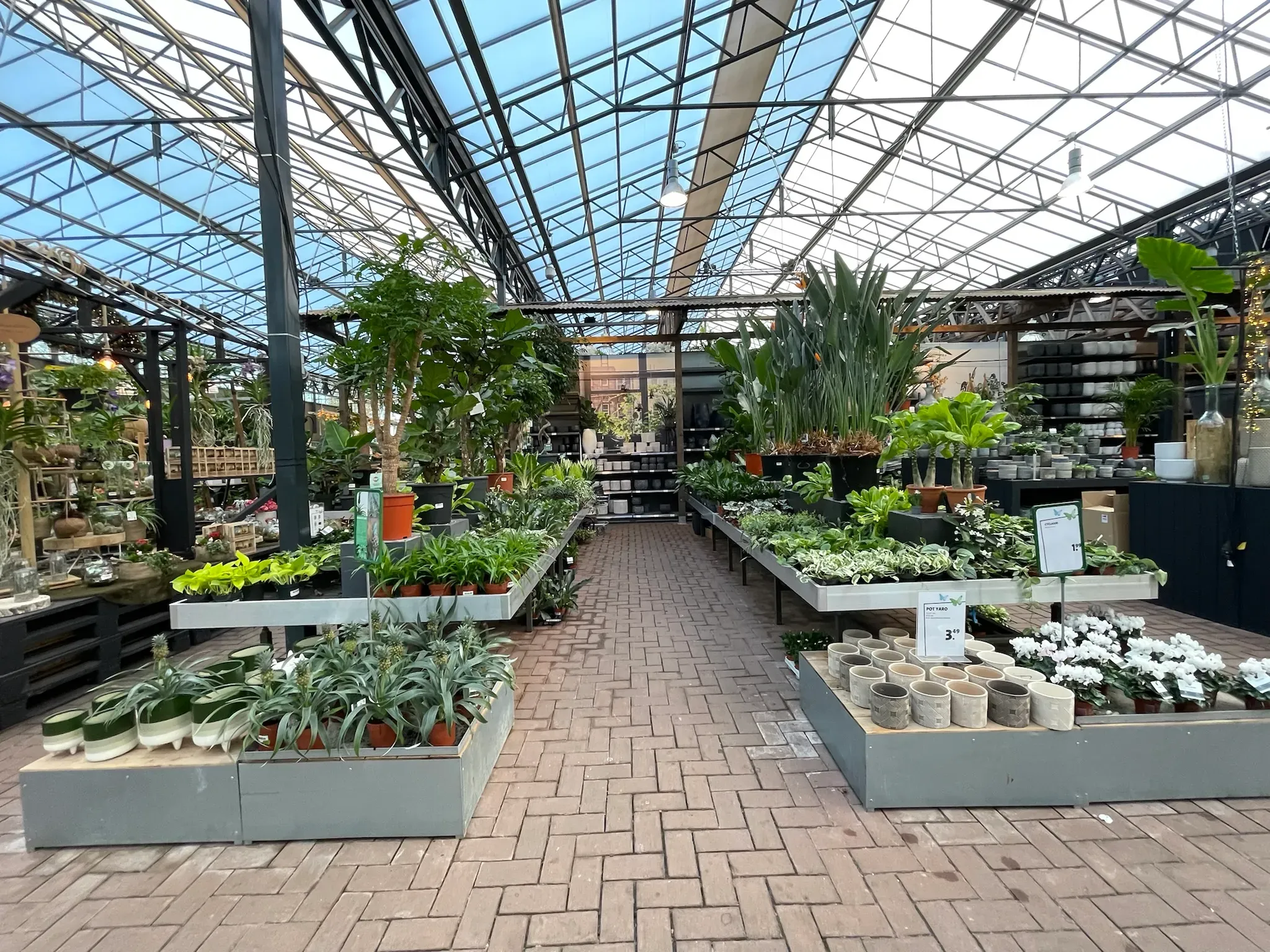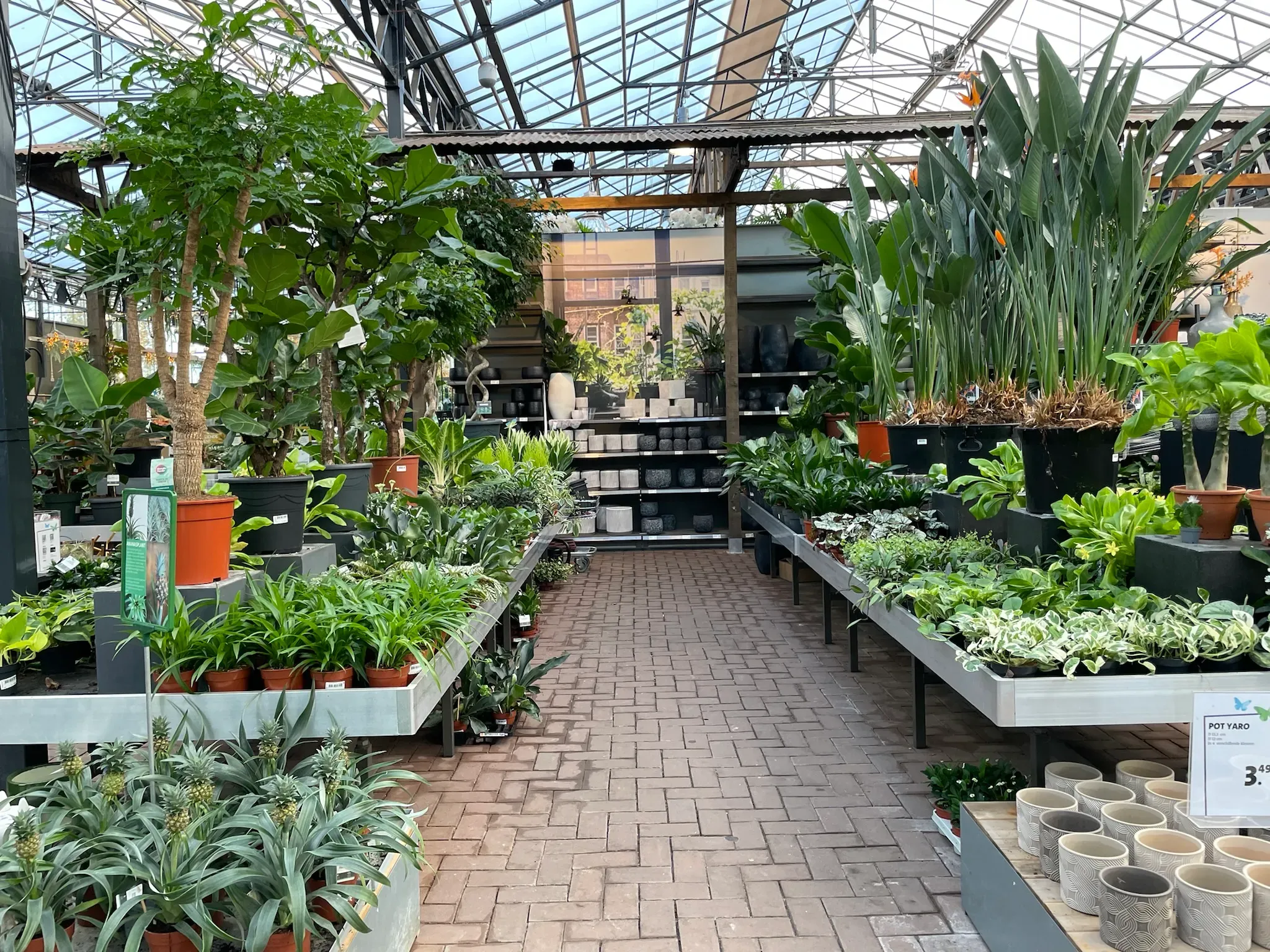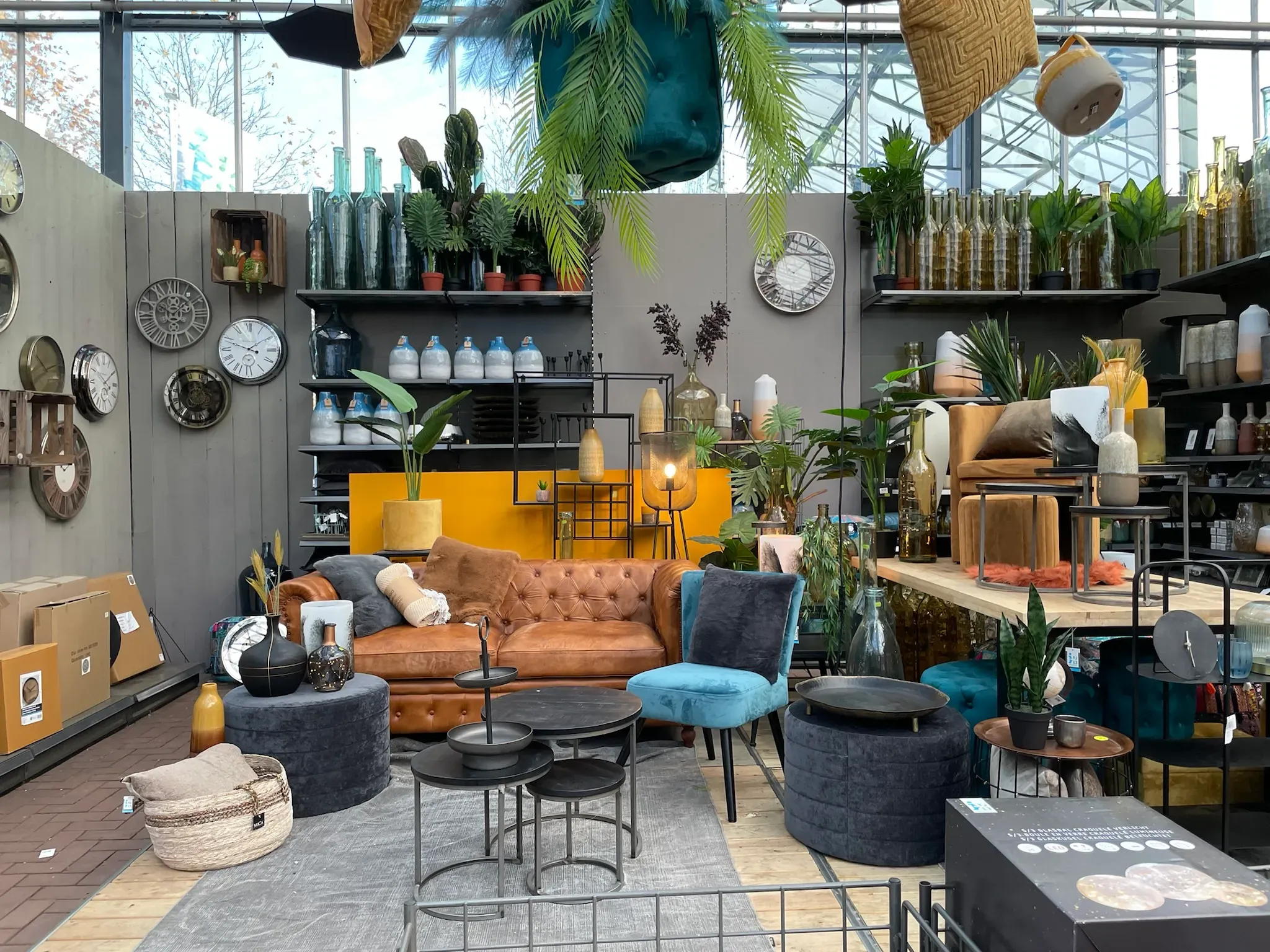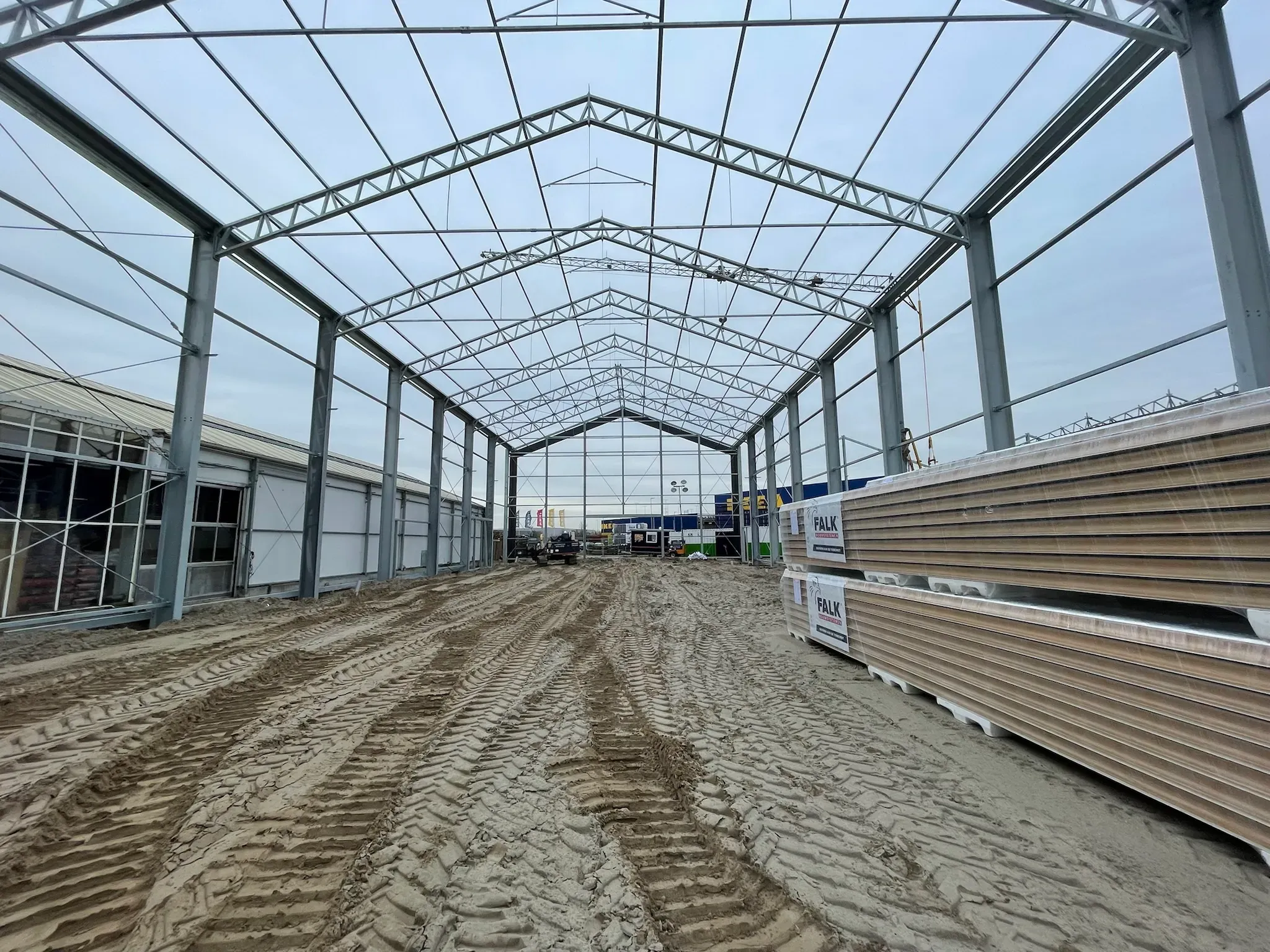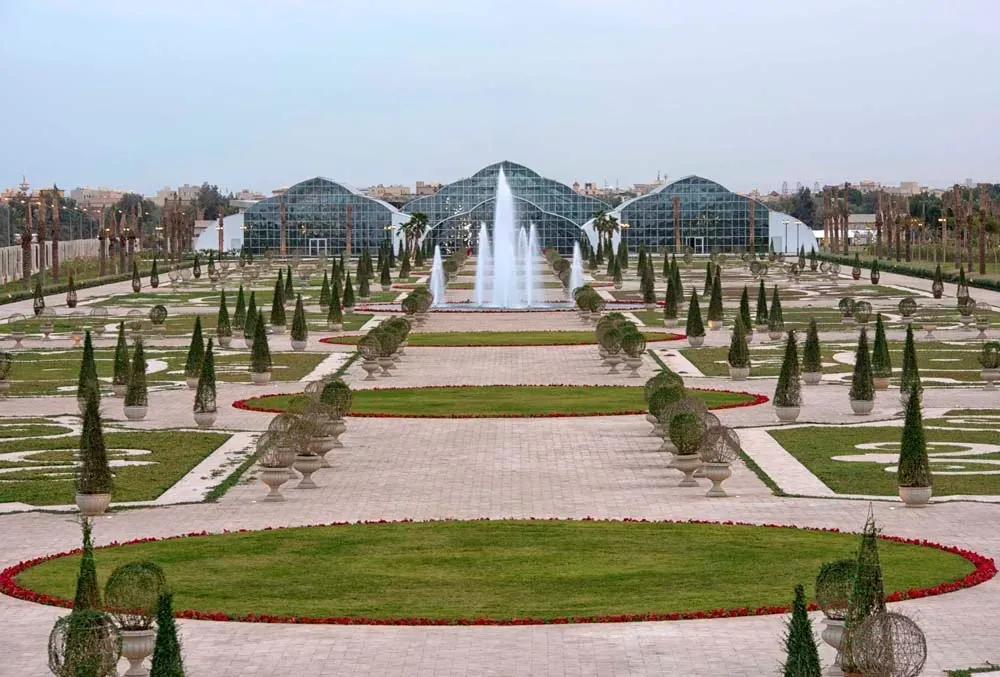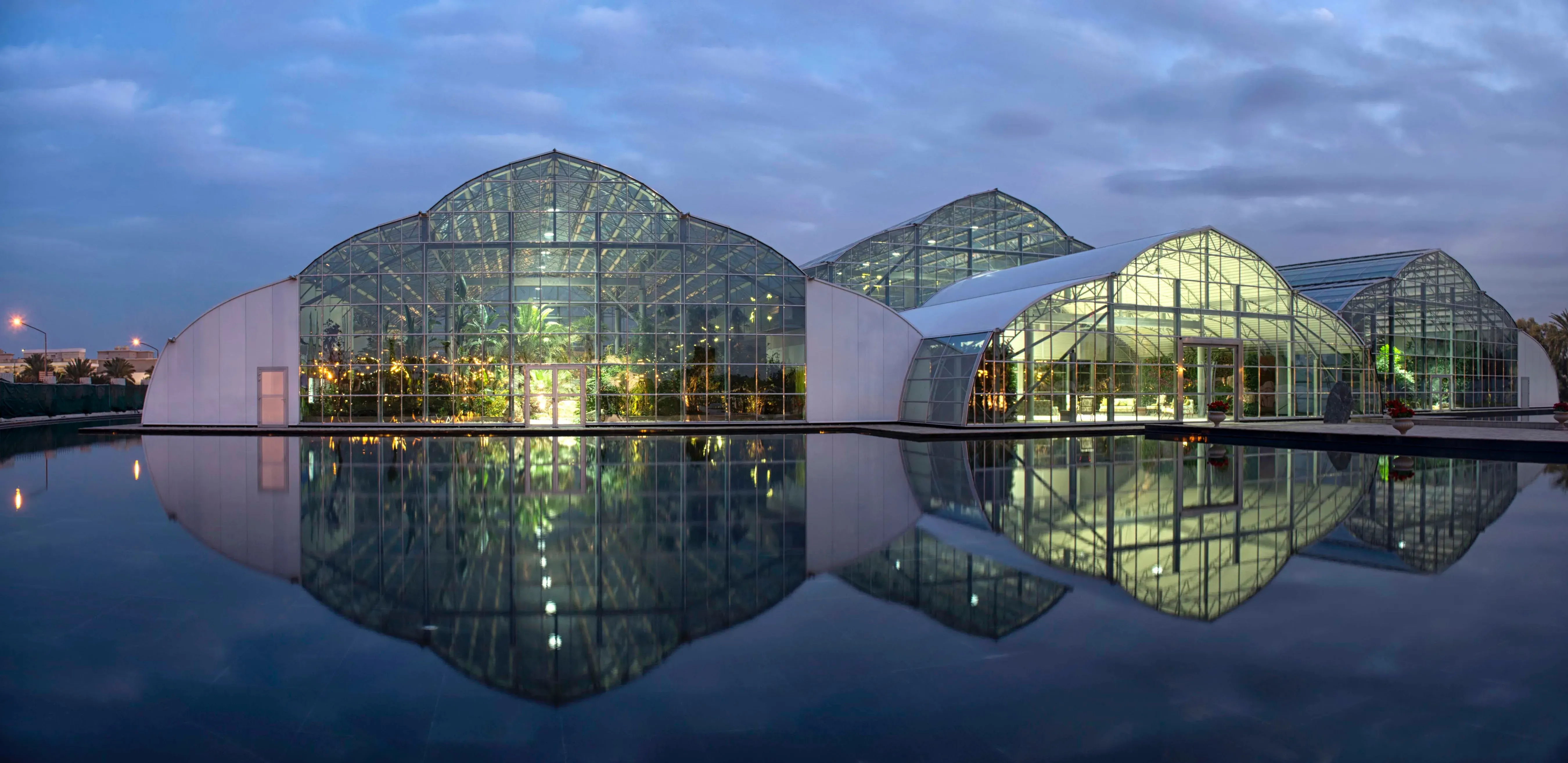
Botanical Glasshouses
How to Create a Botanical Glasshouse: Step-by-Step Guide for Designers
Botanical glasshouses are architectural marvels that blend horticulture with design innovation. Whether you're designing for private estates, botanical gardens, or eco-tourism destinations, a well-structured botanical glasshouse can create a self-sustaining, climate-controlled haven for plant life.
In this step-by-step guide, we walk you through how to create a botanical glasshouse, from concept to completion. Indoor botanical garden design can make your property look more lavish and royal.
🌿 What Is a Botanical Glasshouse?
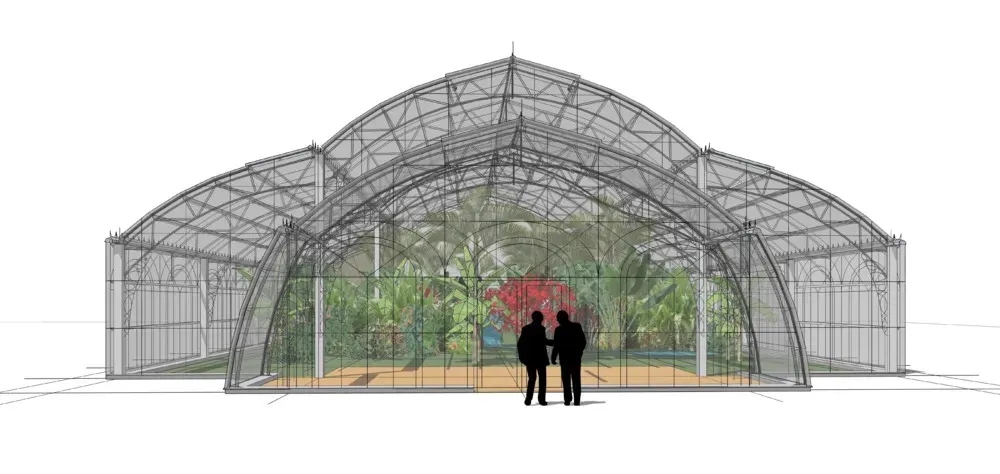
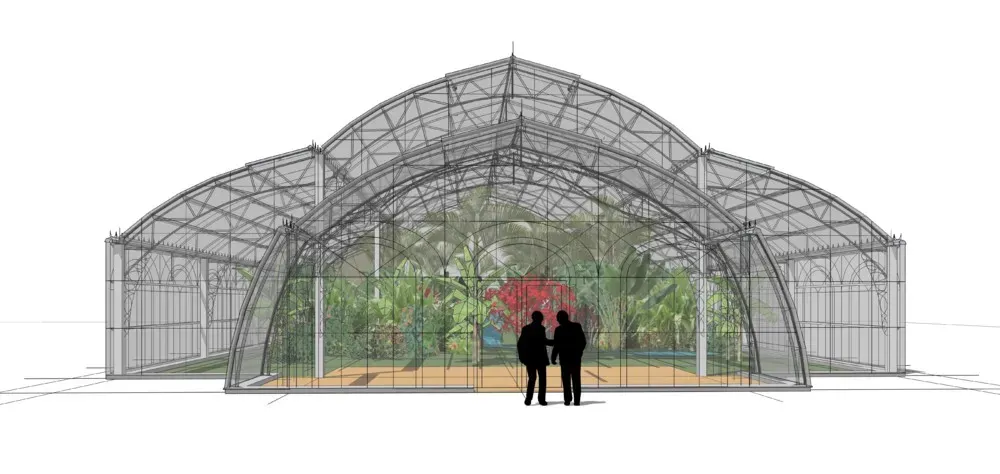
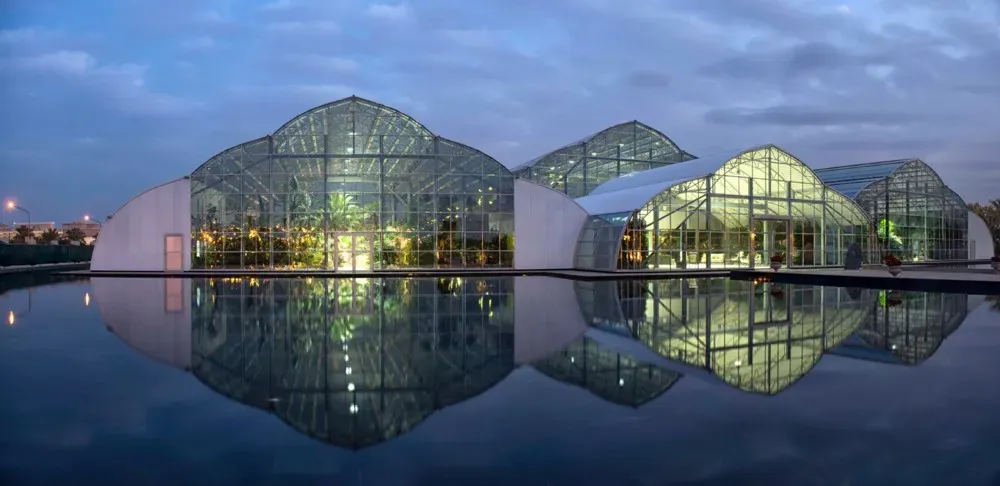
A botanical glasshouse is a specialized structure made primarily of glass and steel or aluminum, designed to house a diverse range of plant species in controlled environments. These structures often include:
- Heating, cooling, and ventilation systems
- Irrigation and humidity control
- Biome simulation (e.g., tropical, arid, or temperate zones)
🛠️ Step-by-Step Guide to Building a Botanical Glasshouse
Step 1: Define the Purpose and Scope
Before breaking ground, determine the function of the glasshouse:
- Will it house tropical or desert plants?
- Is it intended for public exhibition or research?
- What is the expected foot traffic?
Step 2: Site Selection and Environmental Analysis
Choose a location with:
- Adequate sunlight exposure
- Good drainage
- Protection from high winds
Conduct:
- Soil tests
- Topographical surveys
- Microclimate evaluations
Step 3: Conceptual Design and Architecture
Work with architects who specialize in glass structures to design:
- Sustainable building envelopes
- Passive ventilation systems
- Climate-specific shapes (e.g., domes for tropical plants)
Incorporate biophilic design principles to connect people with nature and enhance plant growth. The Indoor botanical garden design will bring prosperity and growth to your family.
Step 4: Choose Materials Wisely
Use high-performance glass, such as:
- Low-E (Low Emissivity) glass for energy efficiency
- Tempered or laminated glass for safety and durability
Frame materials:
- Aluminum: Lightweight and corrosion-resistant
- Steel: High structural strength
Step 5: Engineering and Systems Integration
Integrate smart systems for:
- Temperature and humidity control
- Automated shading and irrigation
- Lighting (natural and supplemental grow lights)
Ensure compliance with:
- Local building codes
- Botanical and horticultural standards
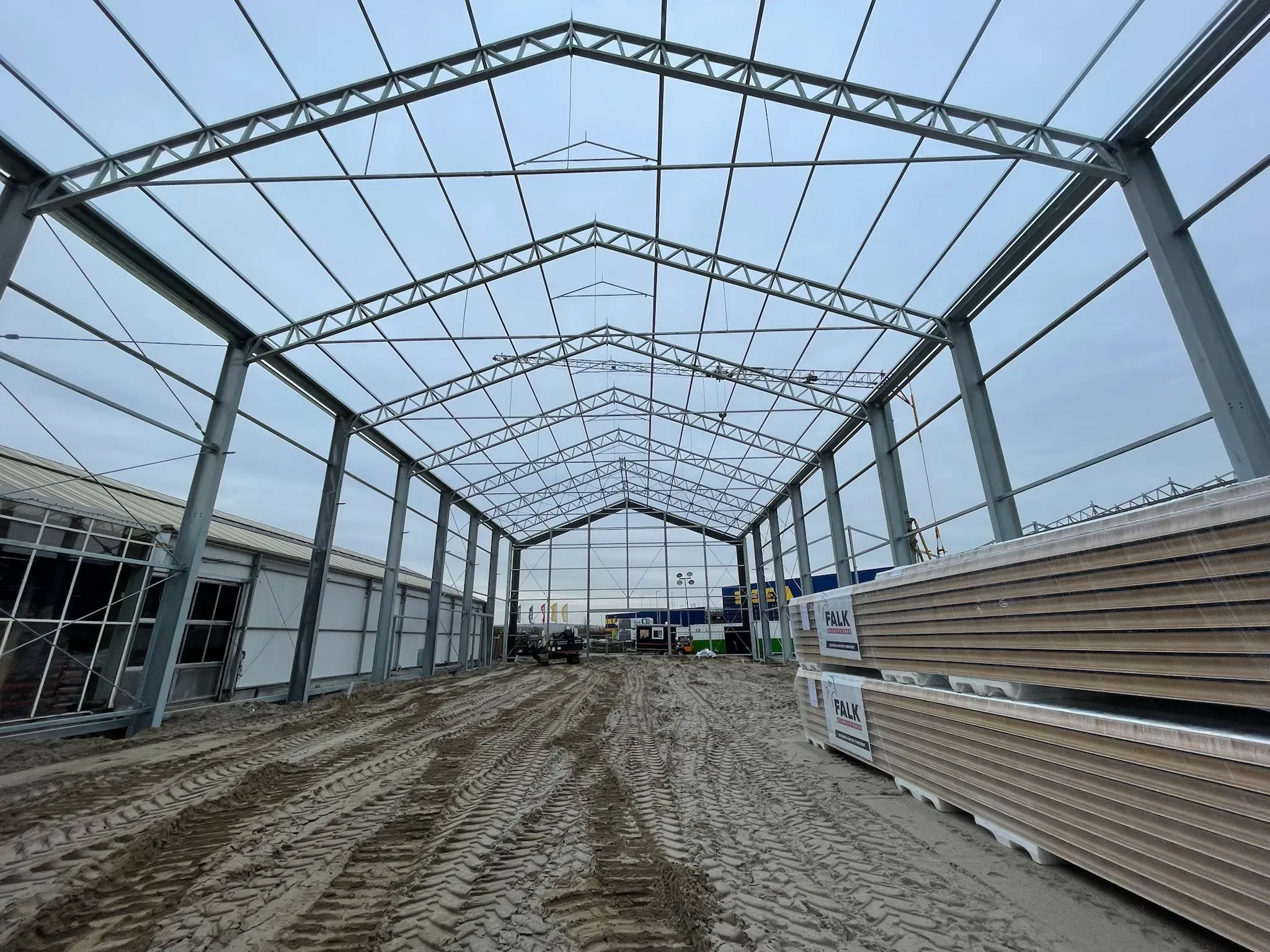
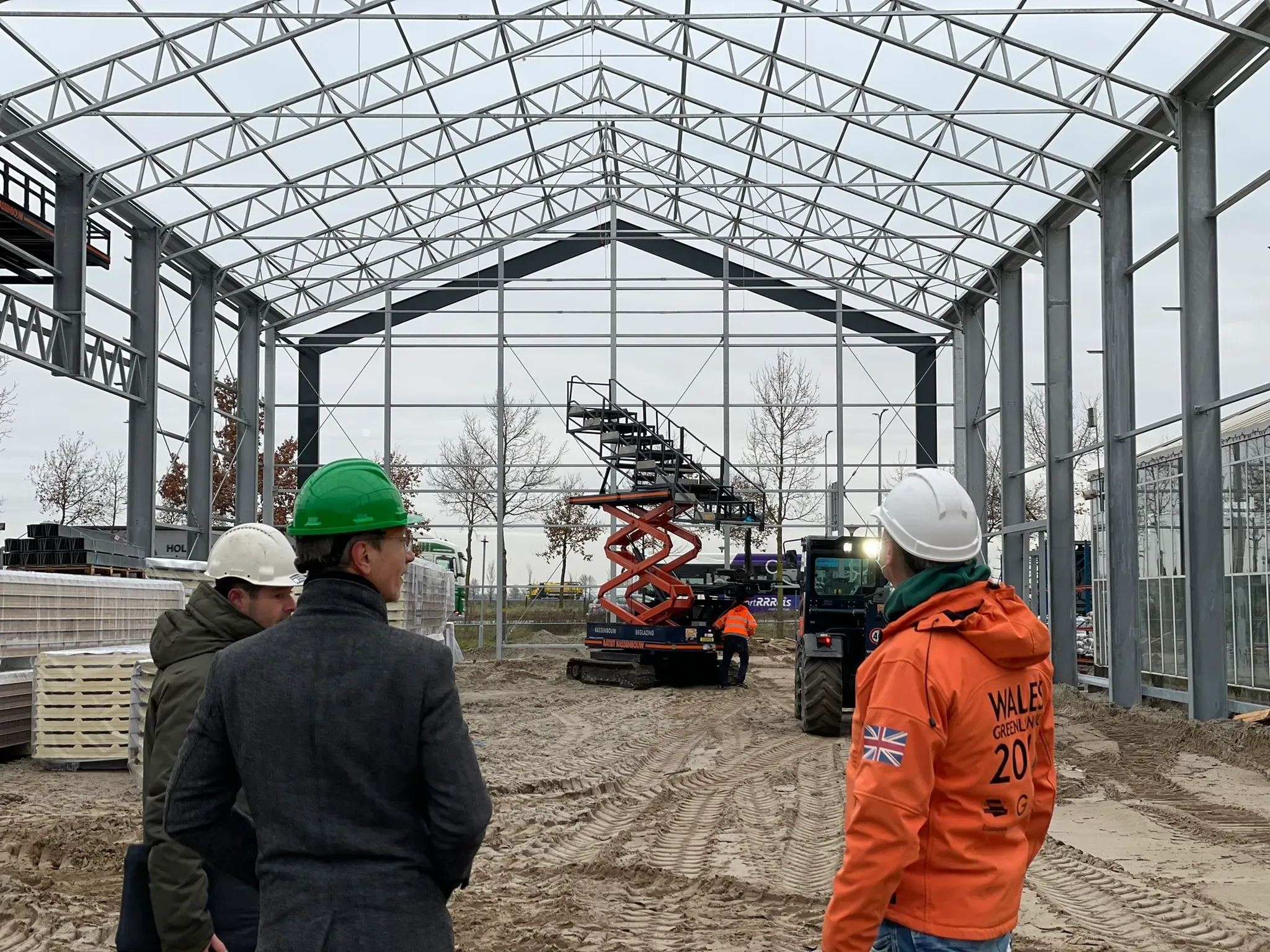
Step 6: Construction and Assembly
Work with experienced contractors who understand:
- Glass panel installation
- Sealing for airtightness
- Load-bearing requirements
Use BIM (Building Information Modeling) to efficiently coordinate between design and construction teams.
Step 7: Interior Layout and Plant Installation
Design internal features including:
- Pathways and plant zones
- Visitor flow management
- Interpretive signage
Incorporate:
- Sustainable irrigation (e.g., drip systems)
- Living walls
- Aquaponics systems
- Vertical gardens
Step 8: Maintenance and Sustainability Planning
Plan for long-term upkeep:
- Routine glass cleaning
- HVAC servicing
- Integrated pest management
Include sustainable solutions such as:
- Solar panels
- Rainwater harvesting
- Natural composting systems
🌱 Final Thoughts
Botanical glasshouses offer a perfect intersection of design, sustainability, and plant science. As a designer, understanding both the artistic and technical aspects is essential. From climate control to aesthetic appeal, every element should support plant health and enhance the visitor experience. When you are making space for the plants in the interior of your house you can bring wealth automatically. If you are nature lover then Indoor botanical garden design can make your house look like the forest by giving you the real vibe you forest.
RECENTS
Garden Centre Development
Discover how to design and build a successful garden centre with this comprehensive step-by-step guide. Ideal for landscape architects, retail designers, and developers focused on creating sustainable, customer-friendly green retail spaces.
How to Build a Glass Greenhouse
Discover the complete process of glass greenhouse construction in this step-by-step guide tailored for architects and designers. From site selection and material choices to climate control and sustainability, learn how to create elegant, functional, and long-lasting greenhouses for residential, commercial, or research use.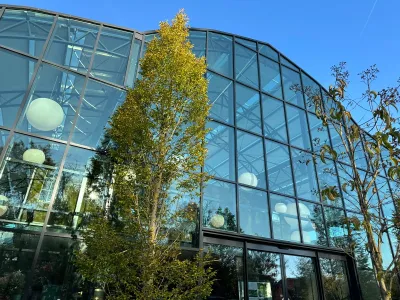
How to Design a Wildlife Sanctuary
Learn how to design a sustainable wildlife sanctuary with this step-by-step guide for conservation designers and landscape architects. From habitat planning to eco-tourism infrastructure, discover how to build a sanctuary in harmony with nature.
Modern Garden Centre Development | Sustainable & Competitive Strategies
Discover how to develop a successful, future-proof garden centre with strategic location selection, competitive analysis, sustainable design, and an integrated realisation process.
Let’s Start Work Together
Please feel free to contact with us. We will get back to you within 1-2 business days. Or just call us now.