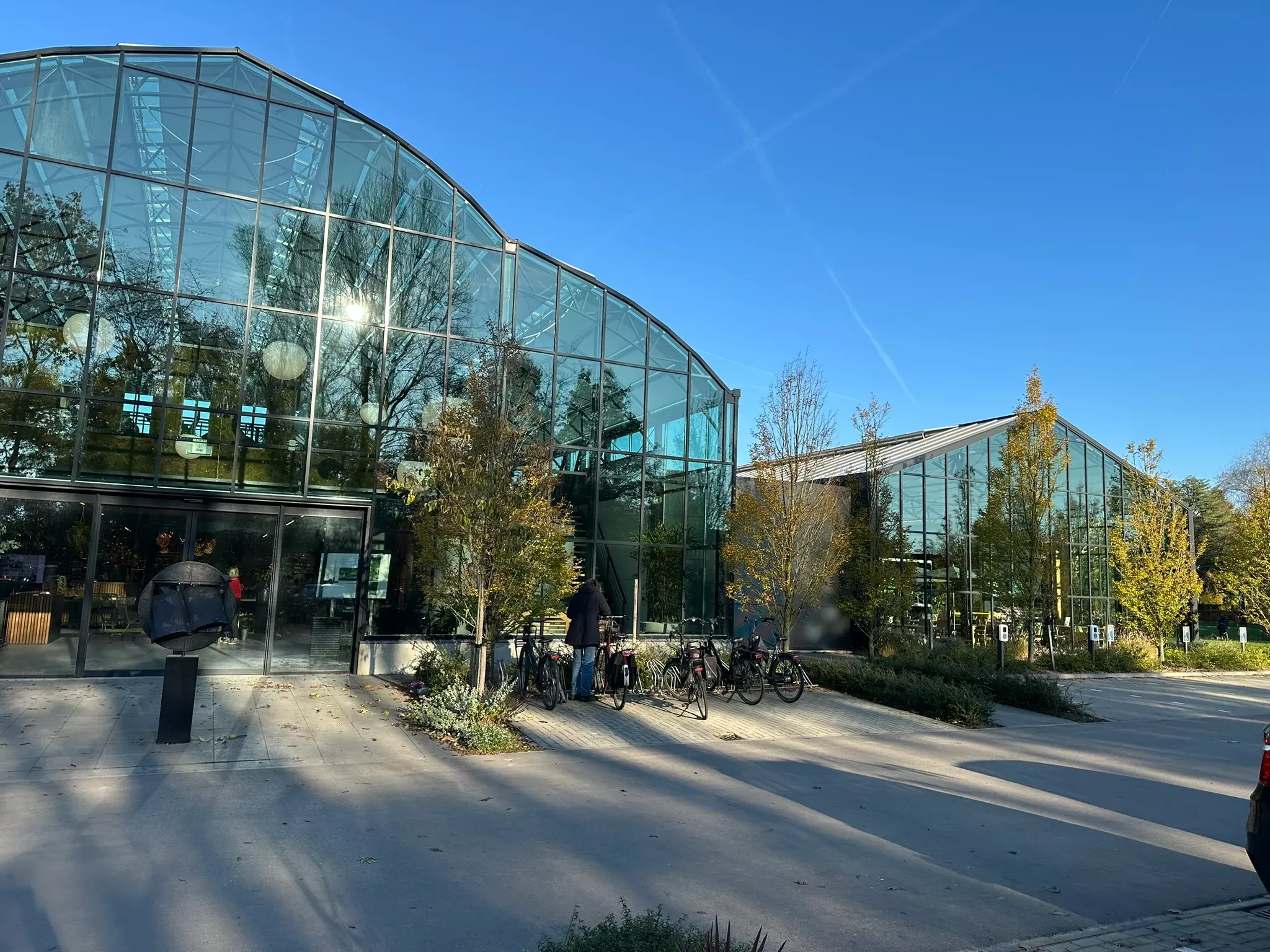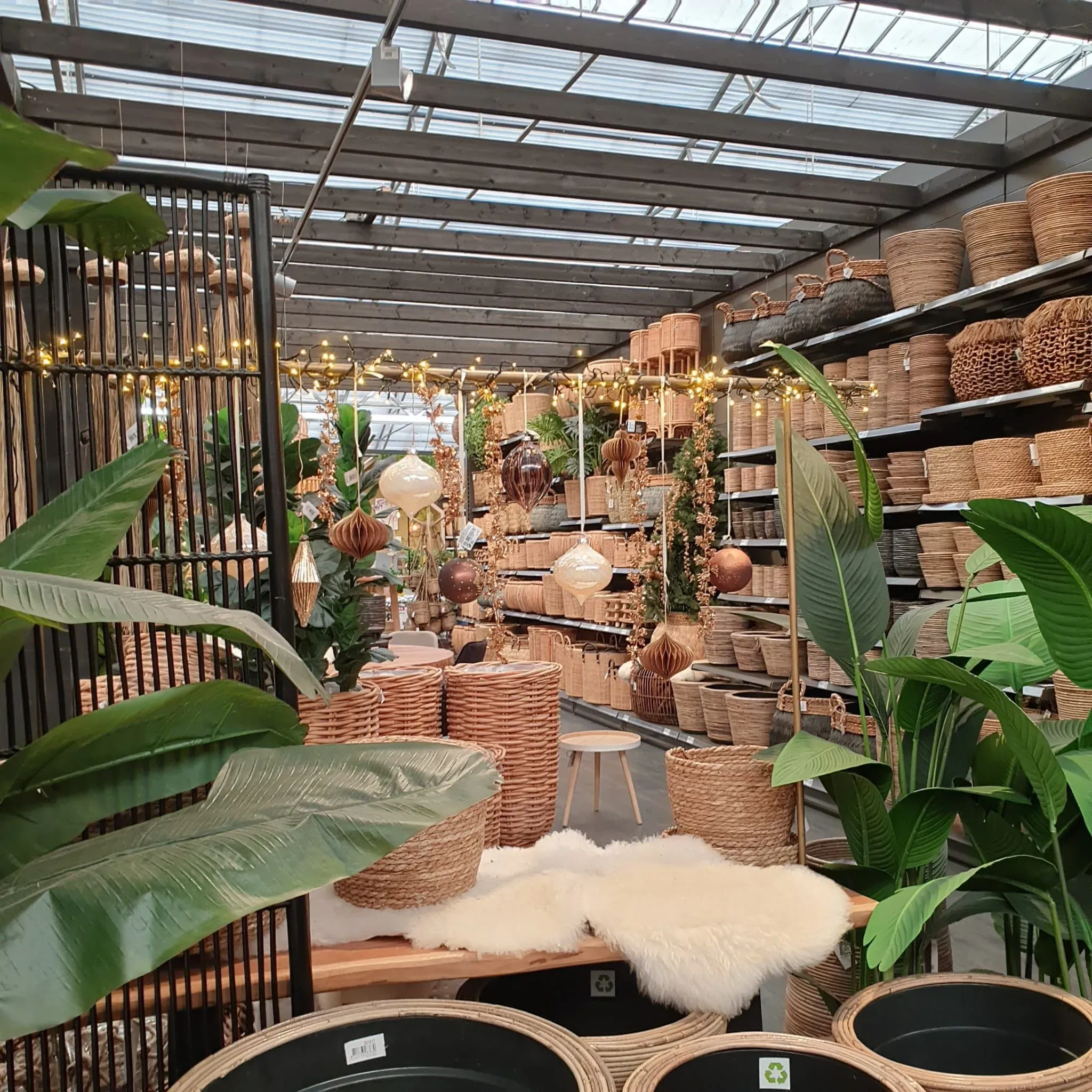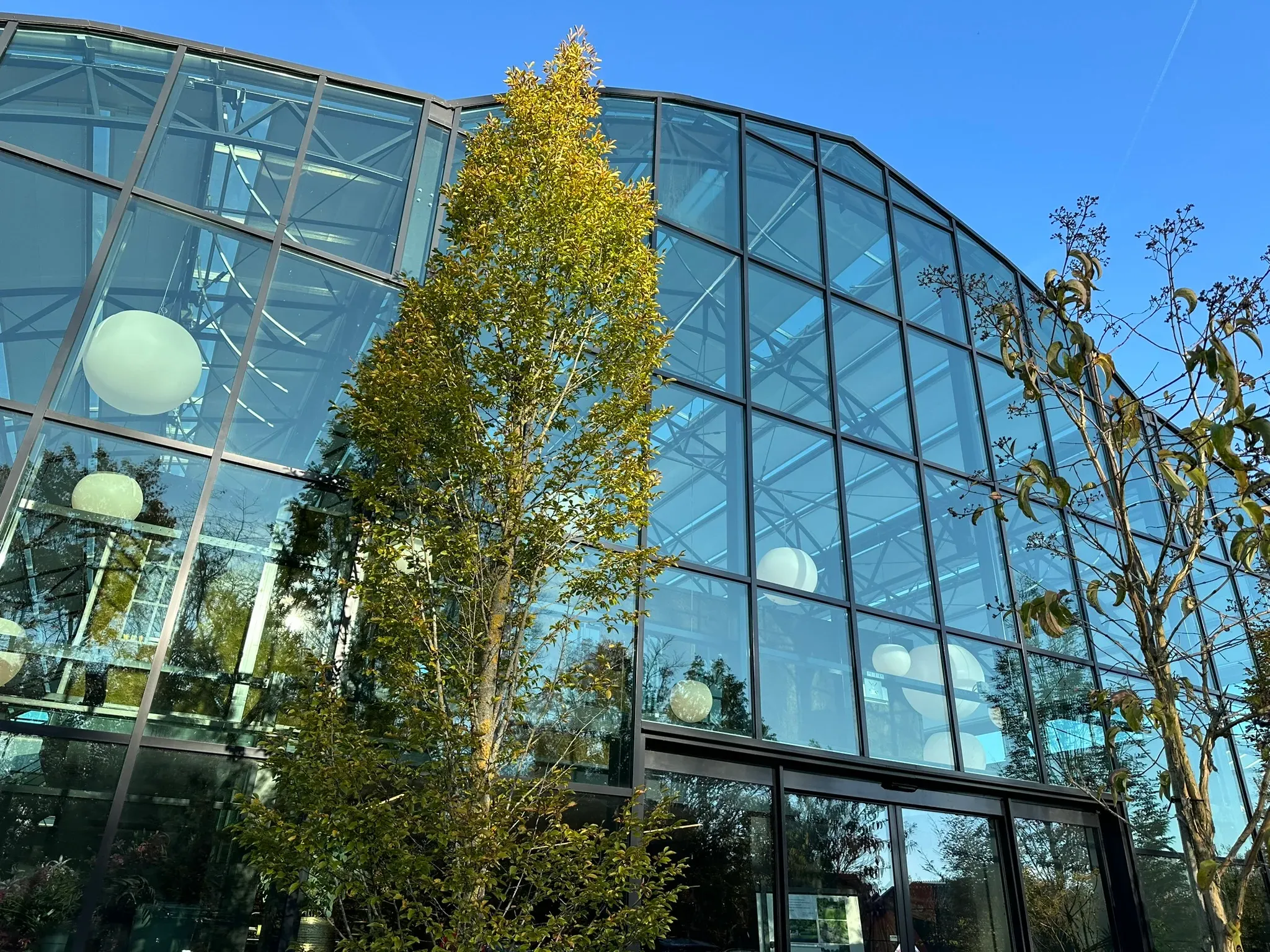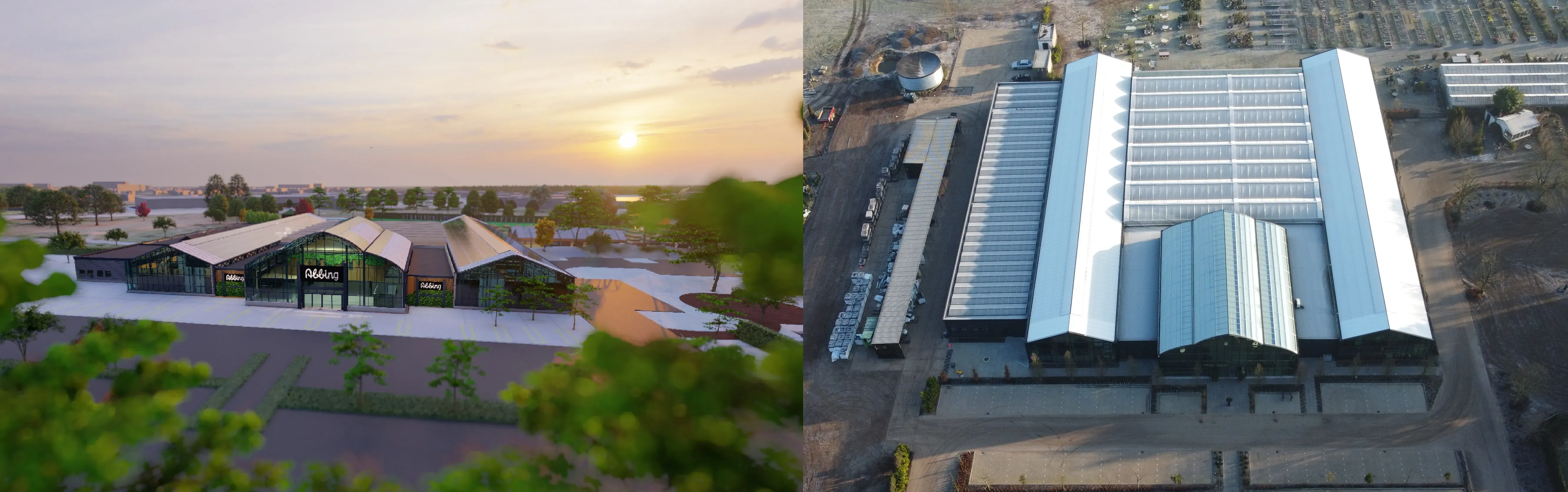
Garden Centre Development
Garden Centre Development: Step-by-Step Guide for Designers and Landscape Architects
Developing a modern garden centre involves much more than just showcasing plants and gardening tools. It’s about creating a vibrant, functional, and welcoming space that enhances customer experience while supporting plant health, sustainability, and retail success.
Whether you're a landscape architect, retail designer, or property developer, this step-by-step guide to garden centre development outlines everything you need to create a thriving, profitable, and beautiful green retail space. By getting the professional Garden Center layout design, you can make your property look aesthetic and well-maintained.
What Is a Garden Centre?
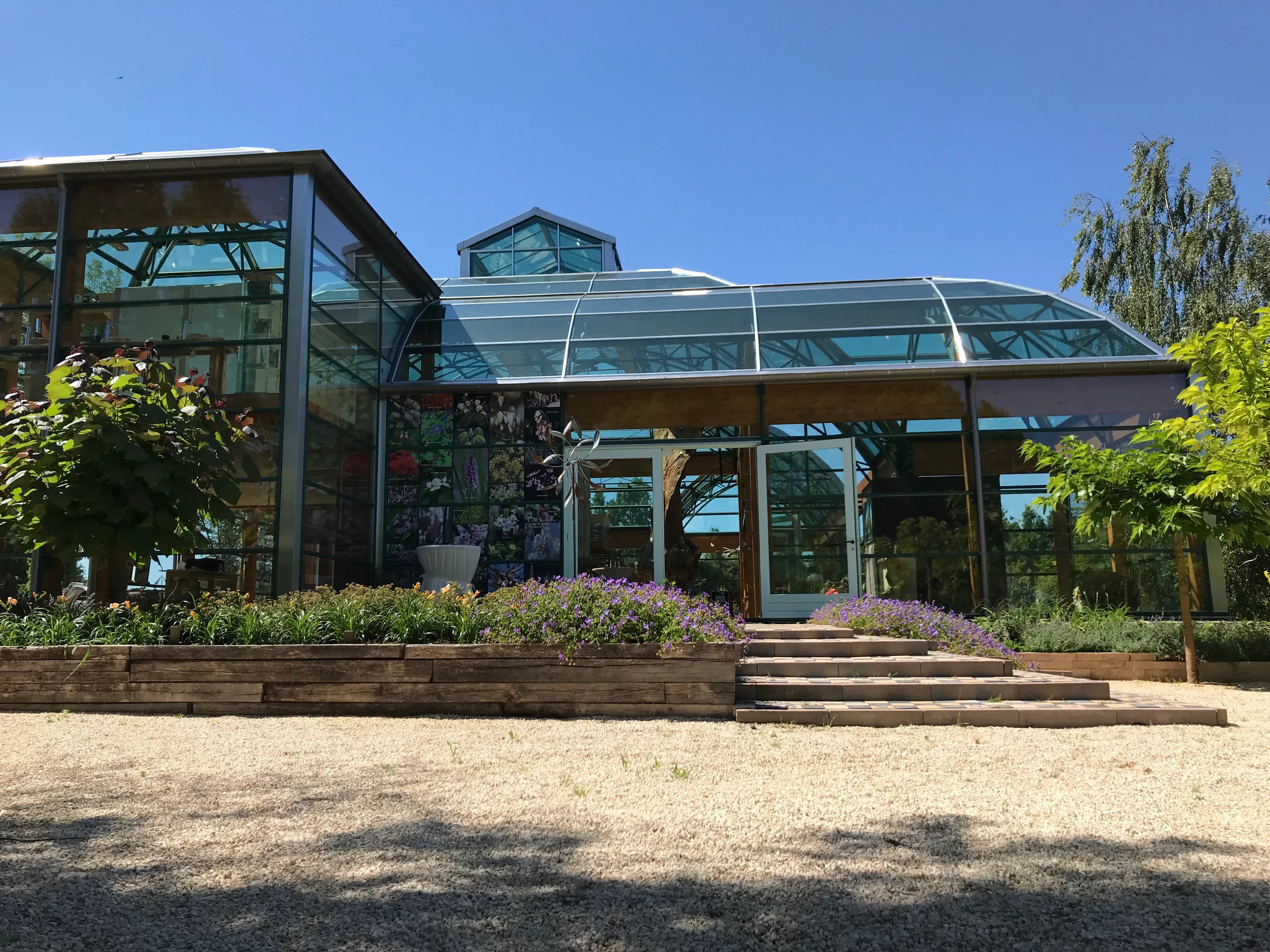
A garden centre (or garden center) is a retail destination that specializes in the sale of plants, gardening supplies, outdoor furniture, decor, and landscaping materials. Many also feature cafes, demonstration gardens, or educational spaces to attract and retain customers.
Step-by-Step Guide to Garden Centre Development
Step 1: Define Your Vision and Business Model
Start by identifying the core objectives:
- Is it a retail-focused garden centre, a destination nursery, or a lifestyle center with cafes and workshops?
- Will it include greenhouses, open-air sales areas, or indoor displays?
- What is the target audience: homeowners, landscapers, hobby gardeners?
Step 2: Conduct Site Analysis and Feasibility Study
Evaluate the selected location based on:
- Foot traffic and accessibility
- Zoning regulations and building codes
- Sunlight exposure (for plant areas)
- Drainage, soil quality, and infrastructure access
A thorough feasibility study helps ensure the long-term viability of the garden centre development.
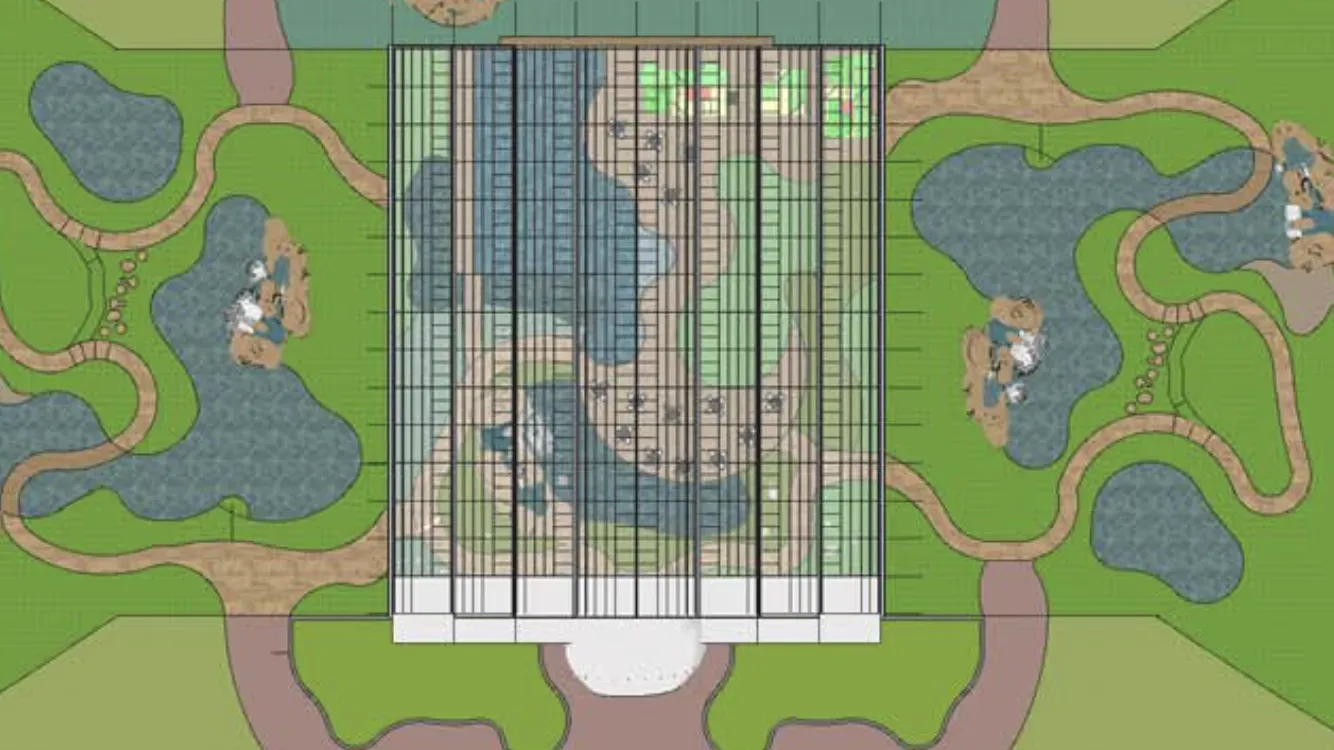
Step 3: Plan Zoning and Layout Design
Divide the site into logical zones, including:
- Plant display zones (shade, sun, native plants, etc.)
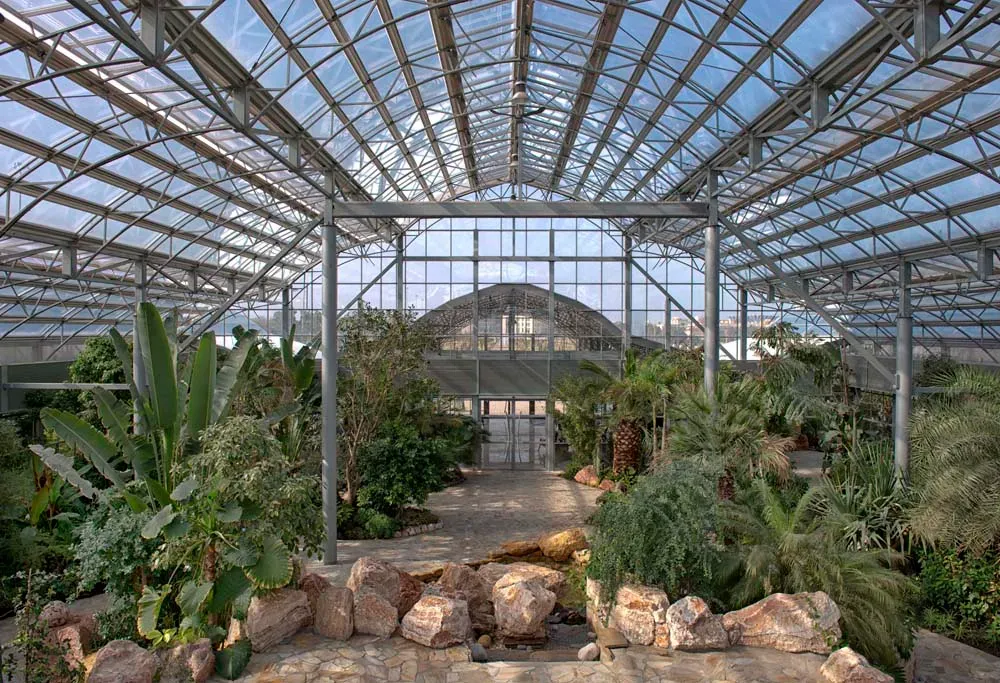
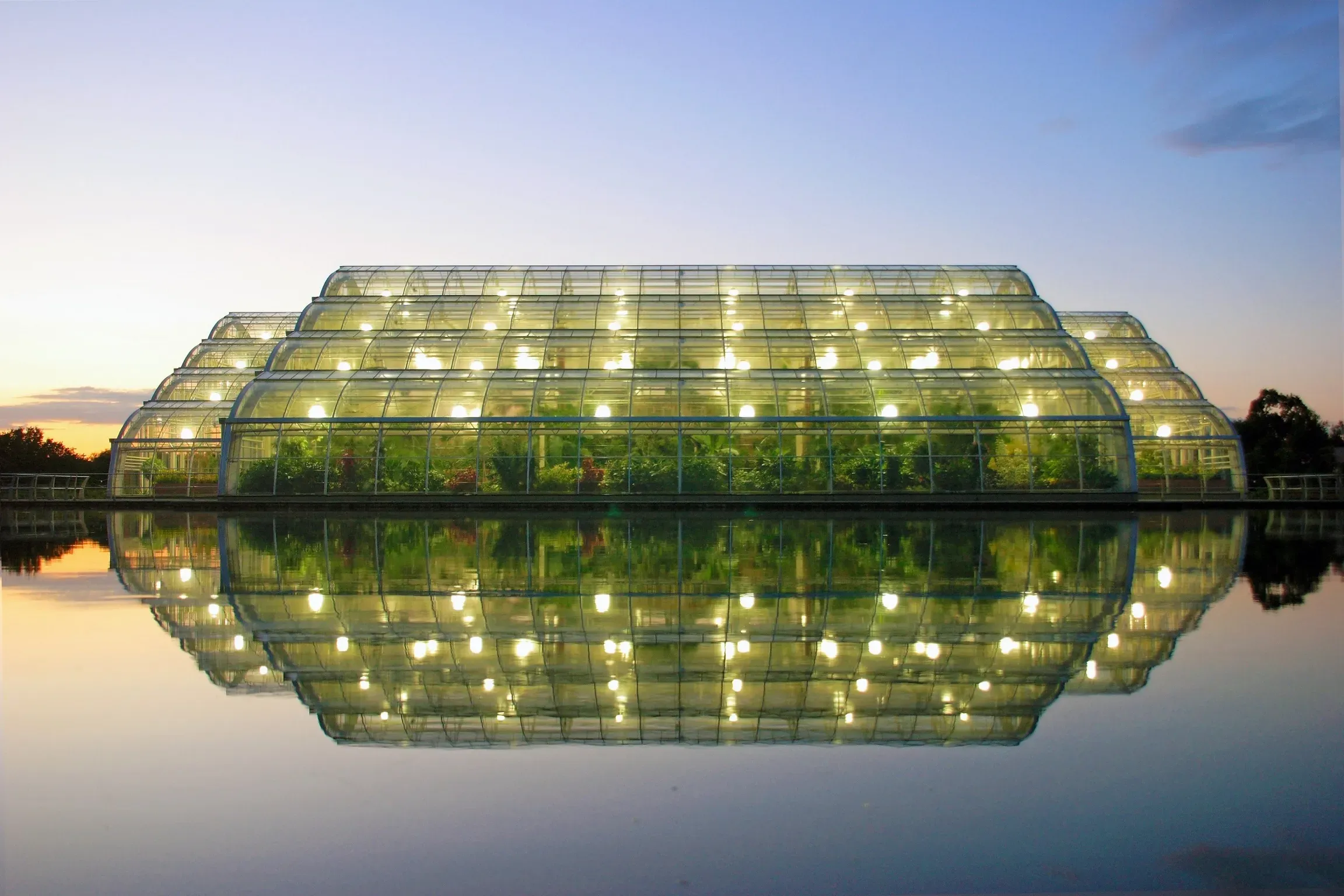
- Greenhouses or covered areas
- Retail zones (tools, pots, fertilizers)
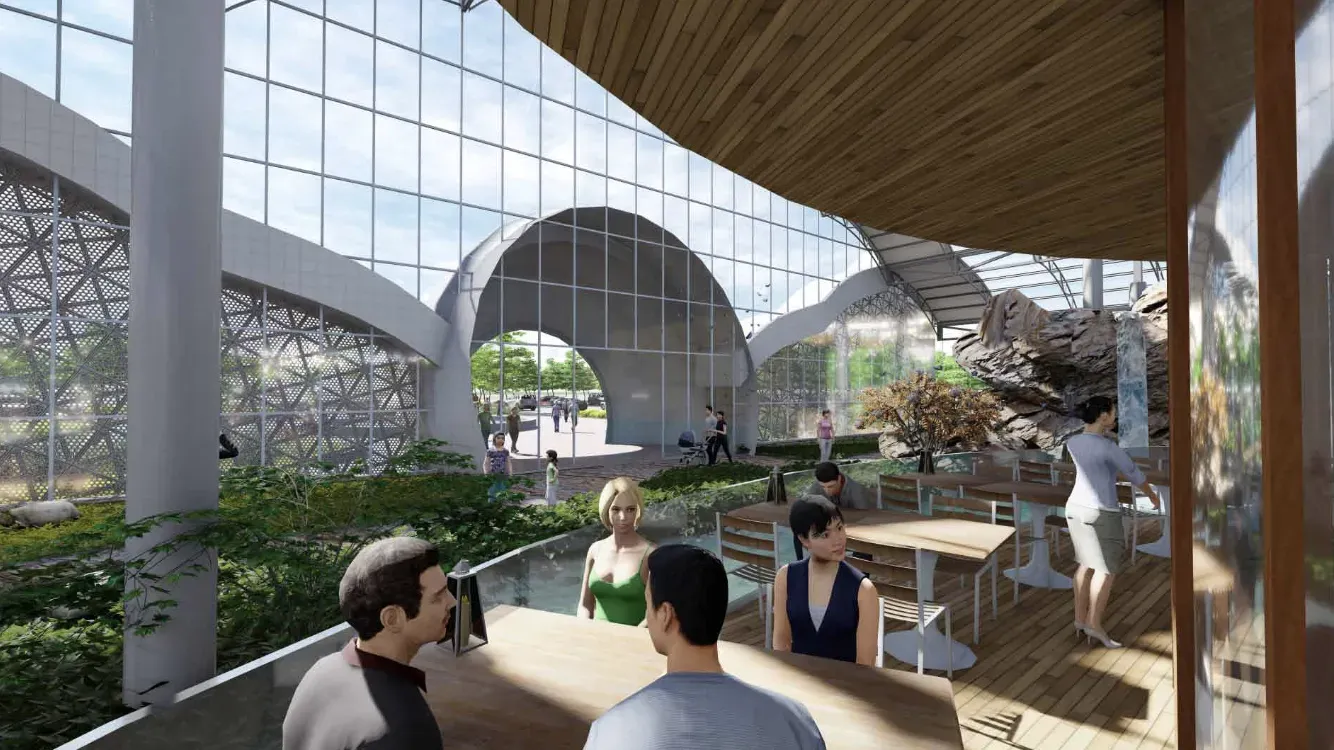
- Customer amenities (parking, restrooms, cafes)
- Storage, staff, and service areas
Use CAD or GIS tools for precision layout, and prioritize smooth customer flow.
Step 4: Develop the Architectural and Structural Design
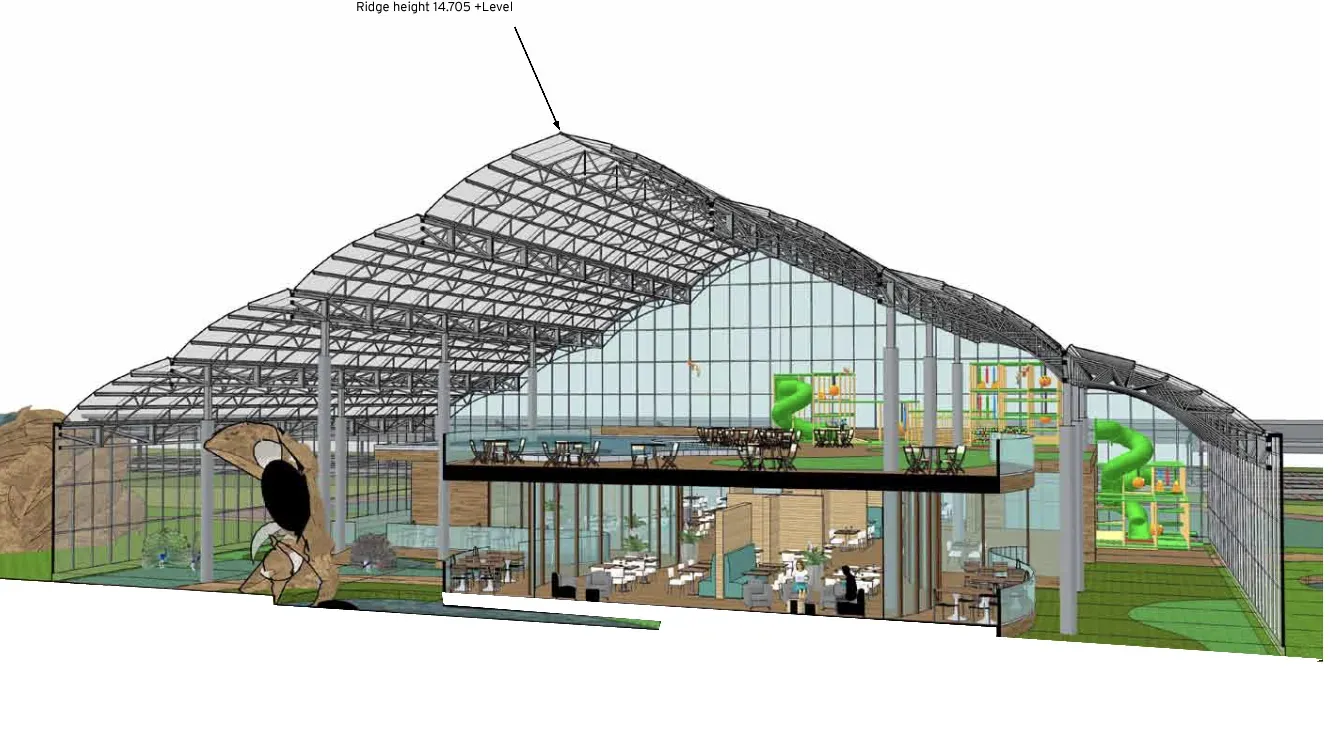
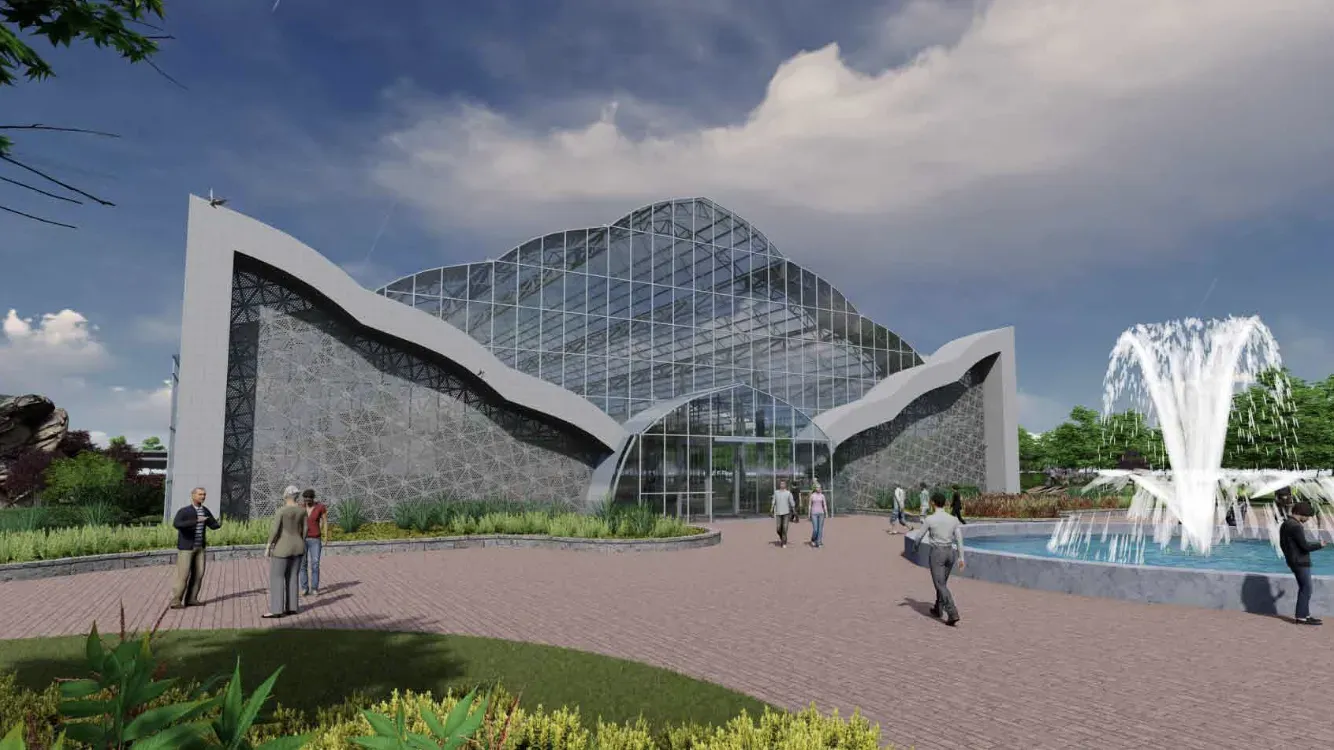
Work with architects to design structures that:
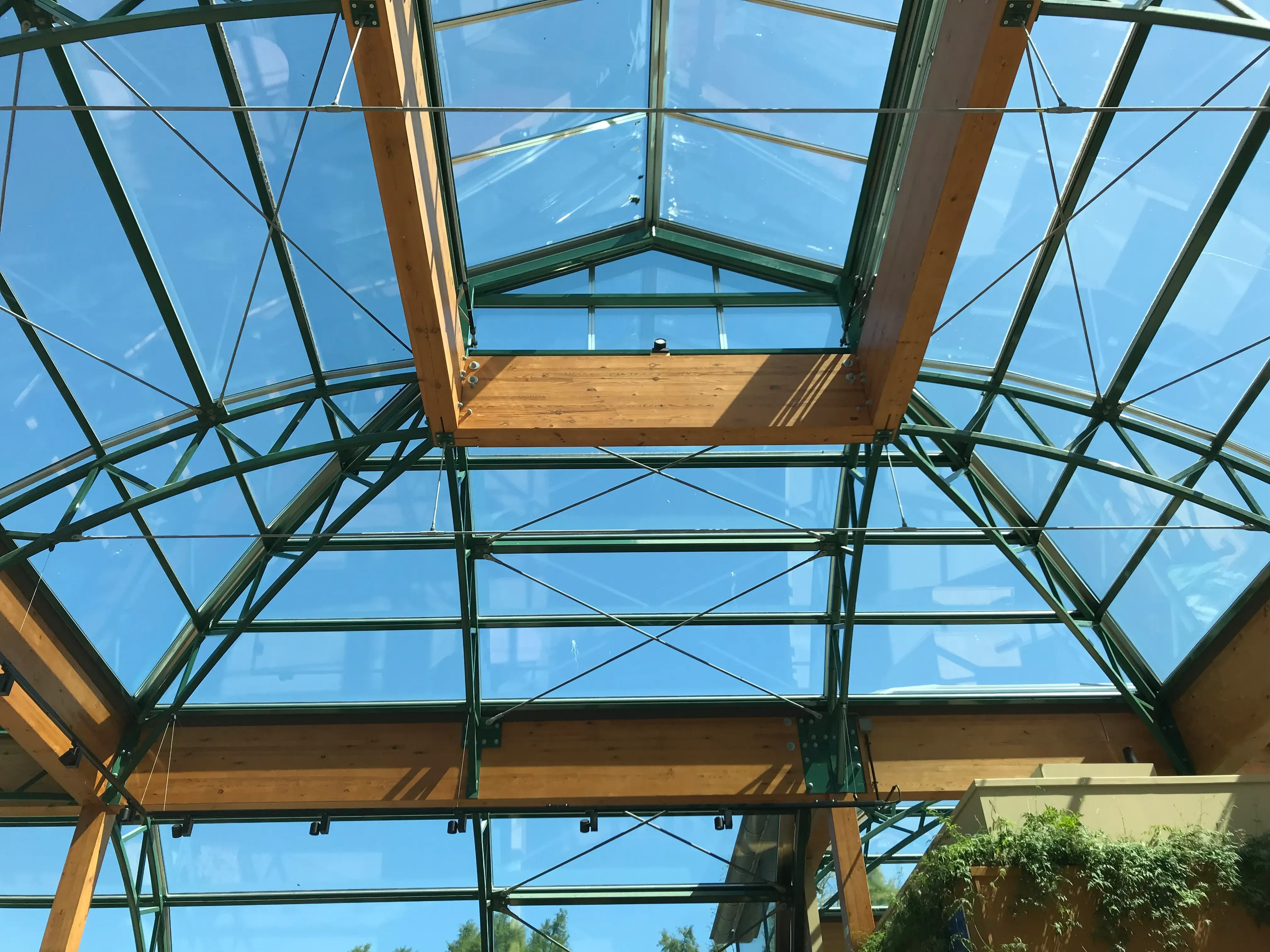
- Allow natural light in sales areas
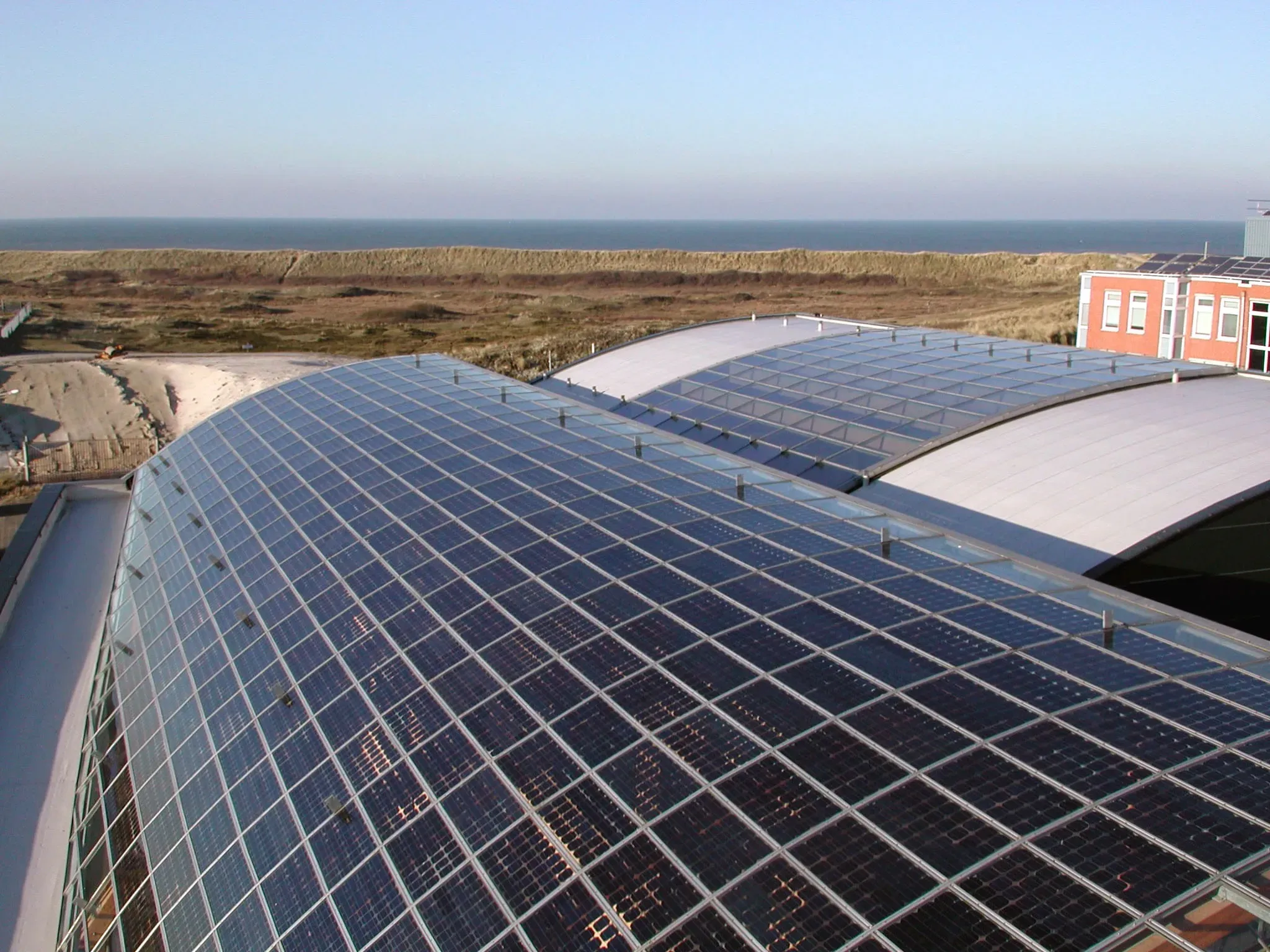
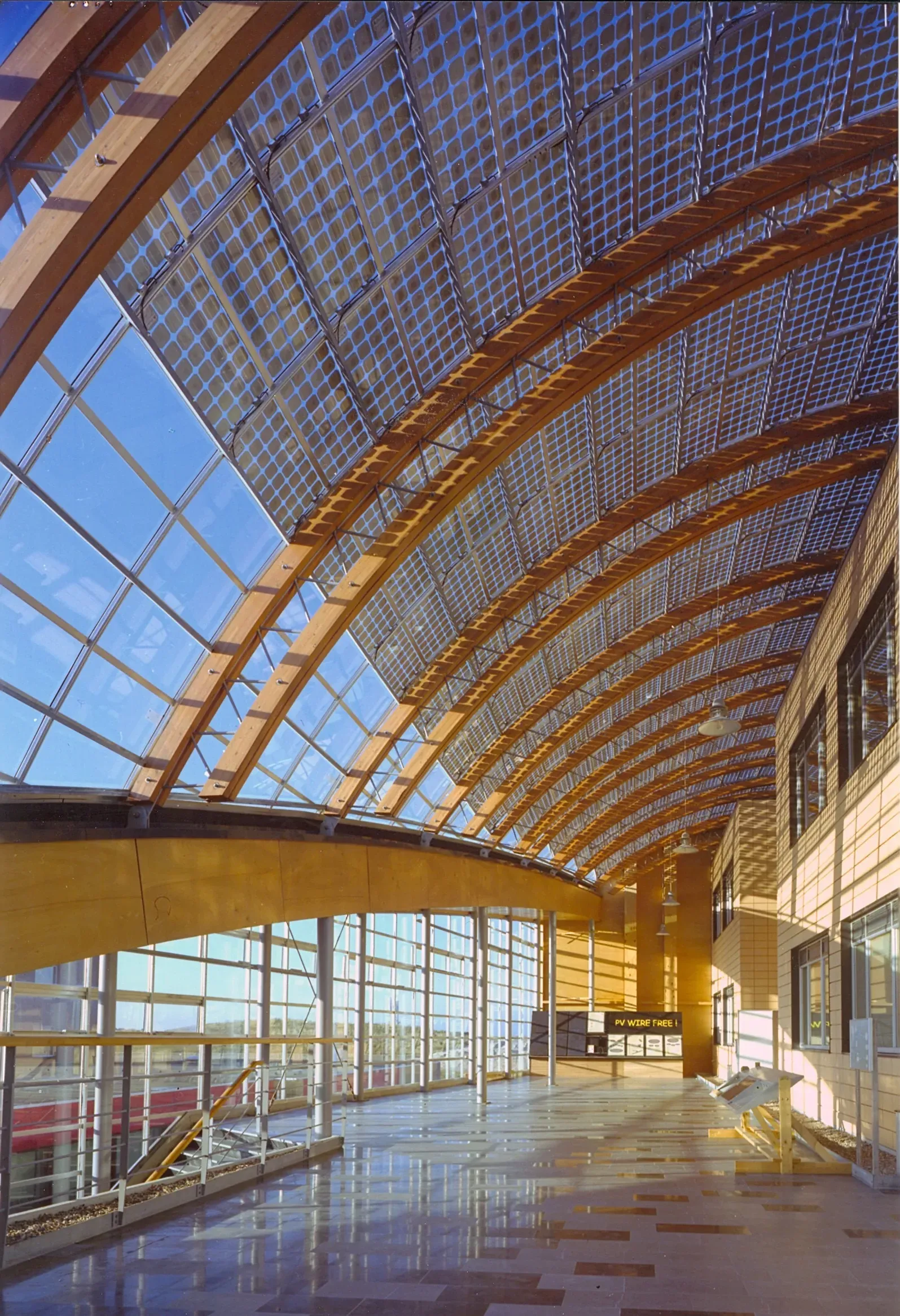
- Include sustainable roofing, rainwater harvesting, and solar panels
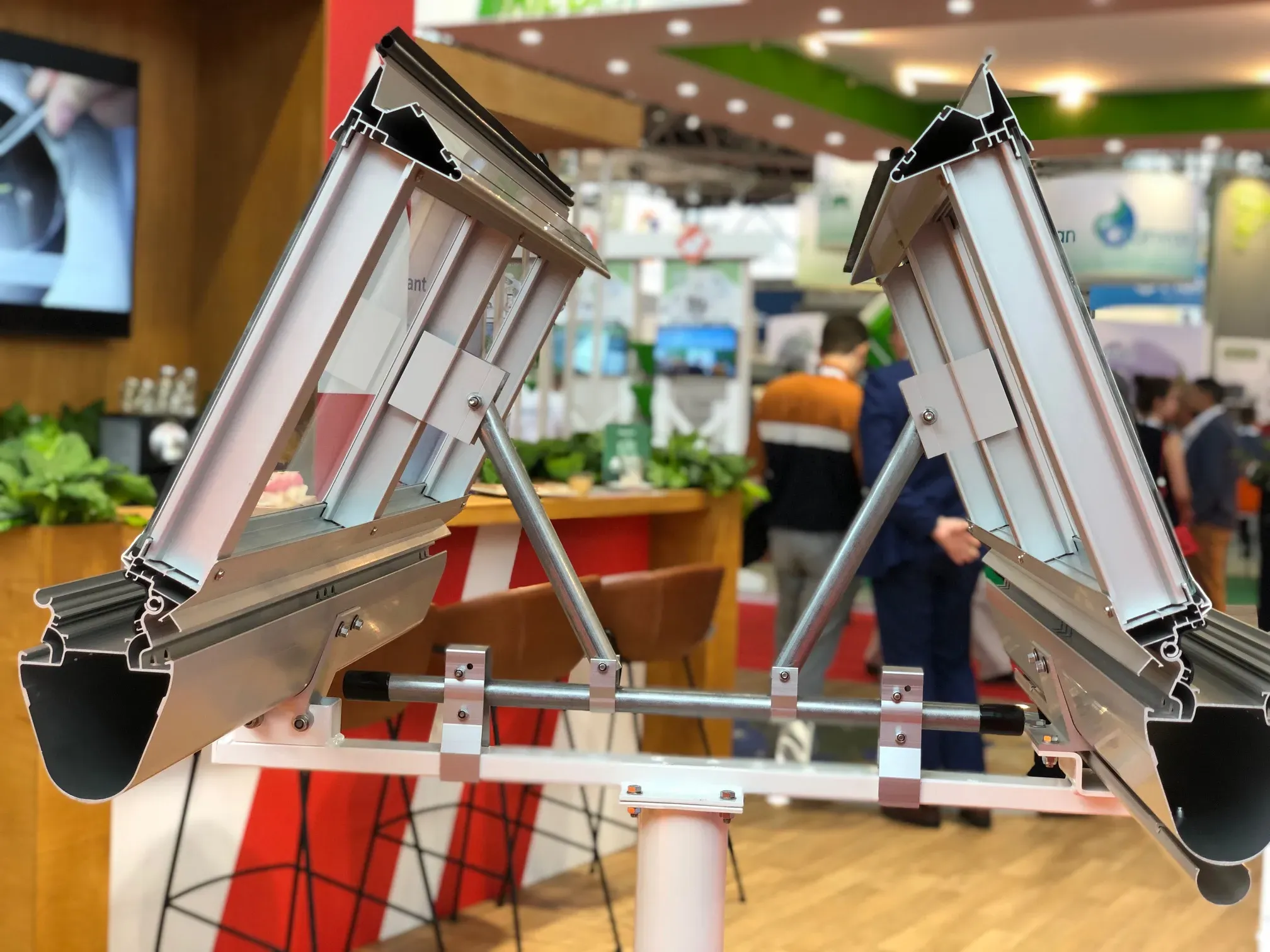
- Integrate ventilation systems in greenhouses
- Maintain visual cohesion across all buildings
Incorporate biophilic design principles to create harmony between natural and built environments.
Step 5: Choose Sustainable Building Materials
For long-term success and eco-branding, use:
- Recycled wood or composite decking for pathways
- Permeable pavers for parking
- UV-protected greenhouse panels
- Low-VOC paints and finishes
Include plant-friendly materials in display benches, shade structures, and irrigation setups.
Step 6: Install Infrastructure and Utility Systems
Plan and install key systems such as:
- Irrigation and drainage
- Electrical and lighting
- Heating and cooling for greenhouses
- Wi-Fi and security systems
Ensure utility access is concealed yet serviceable, especially in customer-facing areas.
Step 7: Design Customer Flow and Experience
Enhance the user experience with:
- Clear signage and wayfinding
- Wide, accessible pathways
- Demonstration gardens and learning zones
- Interactive displays or QR-code plant guides
- Rest areas with benches, shade, and refreshments
Use the psychology of retail flow to guide customers through high-margin product areas.
Step 8: Merchandise Planning and Visual Display
Design retail zones with:
- Modular shelving for seasonal updates
- Vertical displays for space efficiency
- Eye-catching focal points (fountains, sculpture, plant arrangements)
- Product grouping by project type (e.g., indoor gardening, patio design, vegetable beds)
Apply retail merchandising best practices to encourage upselling and cross-selling.
Step 9: Integrate Digital and Marketing Features
Boost visibility and engagement with:
- Digital screens for promotions or care tips
- QR codes linking to product pages or care videos
- Loyalty programs via mobile apps
- Event spaces for workshops and launches
Step 10: Final Inspection, Soft Launch, and Ongoing Management
Before opening:
- Conduct full safety and accessibility inspections
- Test all systems (lighting, irrigation, POS)
- Host a soft launch to gather feedback
- Train staff on plant care, customer service, and layout navigation
Set up systems for inventory management, seasonal display changes, and maintenance. After following all these steps, you can get the Garden Center layout design in the right and professional style.
Conclusion
Developing a garden centre that is both aesthetic and profitable requires strategic planning, sustainable design, and customer-centric thinking.
From zoning and layout to lighting and merchandising, every element must contribute to a seamless and inspiring experience.
By following this step-by-step development guide, designers can build thriving garden centres that not only grow plants but also grow communities and businesses. So, what are you waiting for? Call the experts today and get the best Garden Center layout designs.
RECENTS
How to Build a Glass Greenhouse
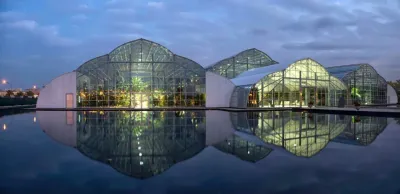
Discover the complete process of glass greenhouse construction in this step-by-step guide tailored for architects and designers. From site selection and material choices to climate control and sustainability, learn how to create elegant, functional, and long-lasting greenhouses for residential, commercial, or research use.
How to Design a Wildlife Sanctuary
Learn how to design a sustainable wildlife sanctuary with this step-by-step guide for conservation designers and landscape architects. From habitat planning to eco-tourism infrastructure, discover how to build a sanctuary in harmony with nature.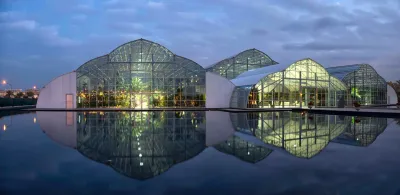
Botanical Glasshouses
Find how to design a botanical glasshouse and indoor botanical garden with experts from Garden Centre Advice. Tailored solutions for structure, glazing, and ventilation.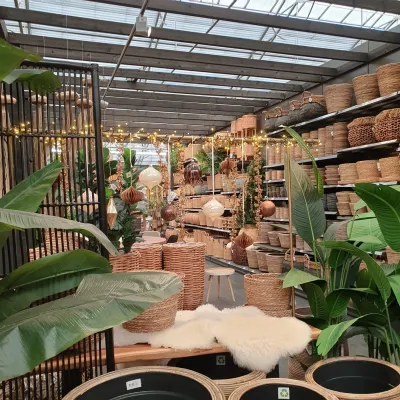
Modern Garden Centre Development | Sustainable & Competitive Strategies
Discover how to develop a successful, future-proof garden centre with strategic location selection, competitive analysis, sustainable design, and an integrated realisation process.
Let’s Start Work Together
Please feel free to contact with us. We will get back to you within 1-2 business days. Or just call us now.